Bringing Robotics Back to CJUHSD: Our Team and the $804K District Grant
The district had a robotics team before us, but it was long gone. Grizzly Tech brought competitive robotics back to the Chaffey Joint Union High School District. Here's how that restart helped spark an $804K district-wide robotics and engineering program.
By Grizzly Tech
Summary
Grizzly Tech #23929 brought competitive robotics back to the Chaffey Joint Union High School District (CJUHSD), a district that serves about 25,000 students across Ontario, Rancho Cucamonga, Montclair, and the surrounding communities. The district had a robotics team at one point before us, but by the time we started at Los Osos High School, there was no active team, no district robotics program, no shared equipment, and no other FIRST Tech Challenge teams to learn from.
Today, CJUHSD runs a district-wide Robotics and Engineering Program backed by an $804,024 grant through the Inland Empire Regional K-16 Education Collaborative. This post is the story of how we got from one team to here.
Read the Collaborative's full project page: CJUHSD Robotics and Engineering Program.
Starting over
It's easy to forget how big a district of 25,000 students is. That's more people than many small cities, spread across multiple comprehensive high schools. The district had a robotics team at one point before us, but it was long gone by the time we came along. When Grizzly Tech started, none of those schools had an active competitive robotics team.
Nothing from that earlier team carried over, so everything had to be figured out from scratch. We had no upperclassmen who had done FTC before, no team alumni to ask for advice, and no district playbook for how a robotics team should run. We had to learn how to register with FIRST, order parts, find a place to build, recruit members, and fund the whole thing ourselves.
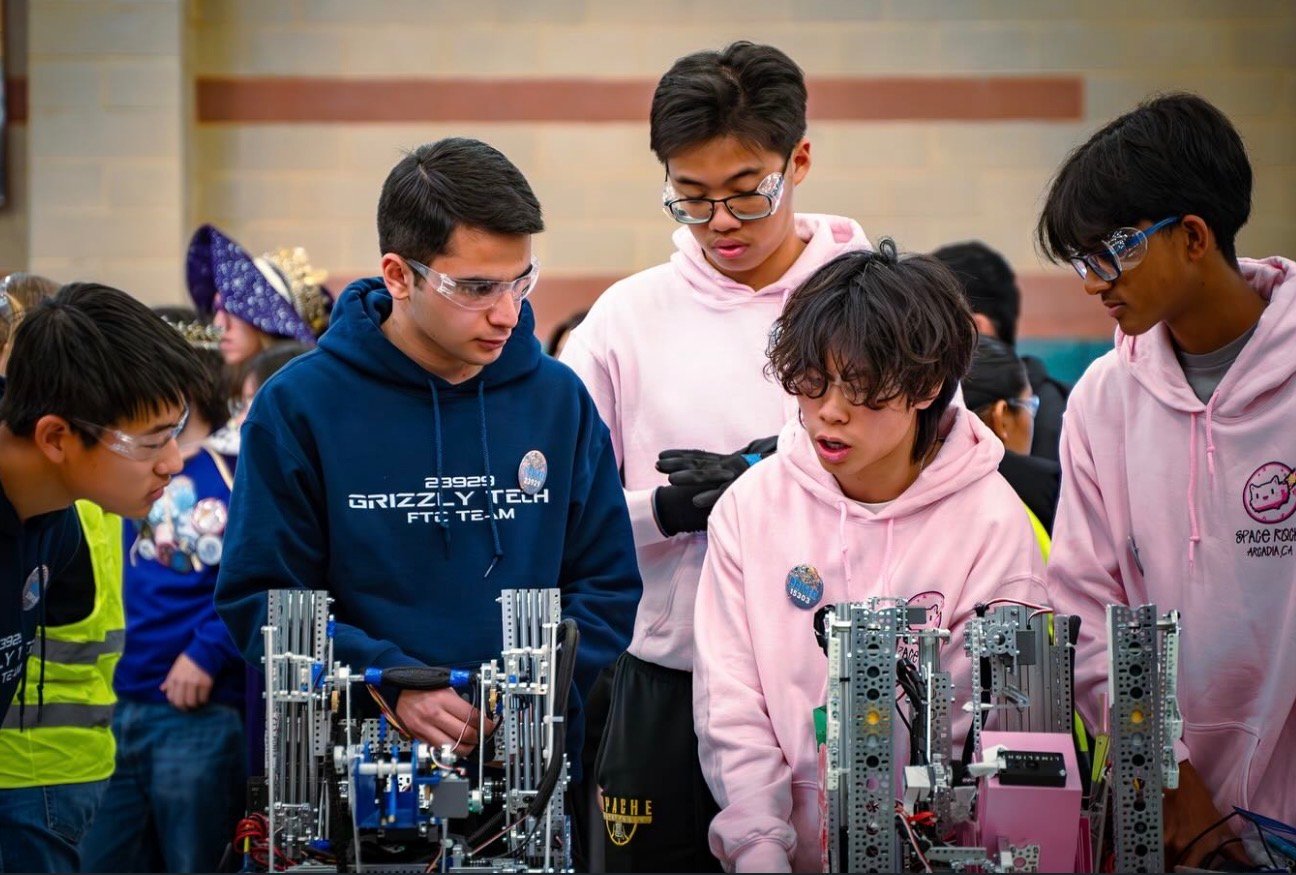
Our first season was CENTERSTAGE (2023–2024). Like every rookie team, we made a lot of mistakes. We rebuilt mechanisms that didn't work, rewrote code the night before competitions, and learned how much goes into an engineering portfolio. But we got a robot on the field, and we proved that students in our district could compete in FIRST Tech Challenge.
Proving it could work
A district doesn't invest in a program because of an idea. It invests because it can see what students are already doing. As the team that brought robotics back, we became that proof of concept.
Every robot we built, every competition we attended, and every outreach event we ran showed what hands-on engineering looks like when students are in charge. We designed parts in CAD, programmed in Java, kept a full engineering notebook, and talked to judges about our process. That's the same kind of learning the district's program is now built around: design, fabrication, programming, testing, and competition.
We were also loud about it. We showed the robot at school and community events, reached out to sponsors, and became a registered 501(c)(3) nonprofit so we could raise money the right way. The more people saw what one team could do, the easier it became to imagine robotics at every school in the district.
The grant
In July 2024, right after our rookie season, the Inland Empire Regional K-16 Education Collaborative funded the CJUHSD Robotics and Engineering Program under its Engineering pathway:
- Lead institution: Chaffey Joint Union High School District
- Amount awarded: $804,024
- Funded: July 2024
- Project completion: June 2027
The Collaborative is a regional partnership that brings together K-12 districts, colleges, universities, and workforce organizations across the Inland Empire to build pathways into high-demand careers. Engineering is one of its four pathways, alongside healthcare, education, and business.
What the program funds
The goal of the grant isn't a one-time purchase. It's to make robotics last. The funding goes toward:
- Equipment so schools can build competitive robots without every team fundraising from zero like we did
- Instructional resources for robotics and engineering courses
- Professional development so teachers can confidently coach and run programs
- Competitions, including FIRST Tech Challenge and Sustainable Lightweight Combat Robotics
The program also partners with UCR Extension and the San Bernardino County Superintendent of Schools, so students can earn certificates, get technical training, and explore careers in engineering and technology.
The impact so far
According to the Collaborative, the program has already reached:
- 1,200 CJUHSD students in robotics and engineering courses
- 18 high school students enrolled in the UCR Extension Academic STEM Certificate program
- 17,785 K–8 students represented in the engineering career pathway with Ontario-Montclair School District
It has also supported students and teachers in earning UCR Extension Applied Cybersecurity Fundamentals certificates, and sent 3D printers and new STEAM programming to middle schools. That means kids are getting hands-on engineering experience before they even reach high school.
From one team to many
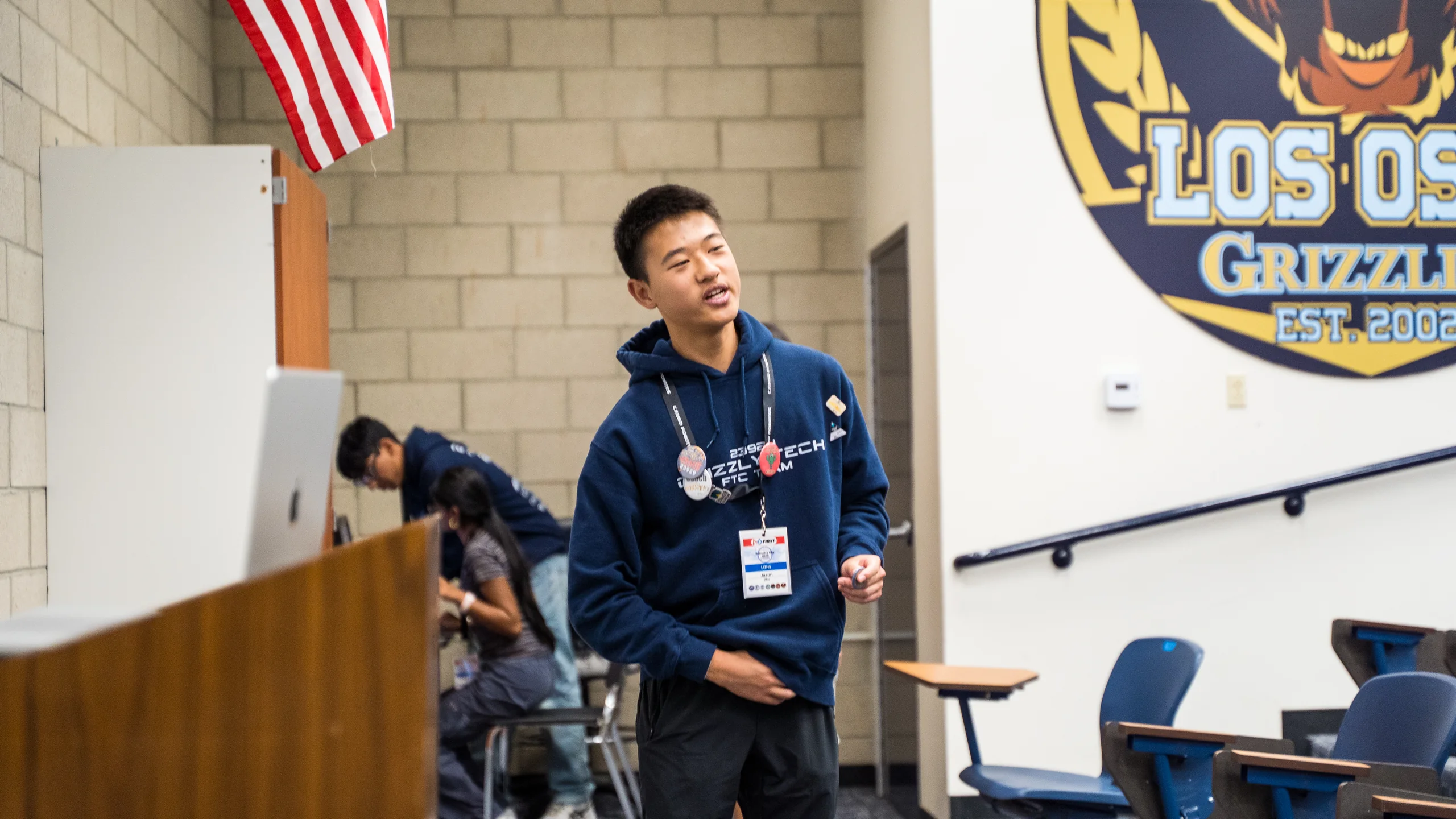
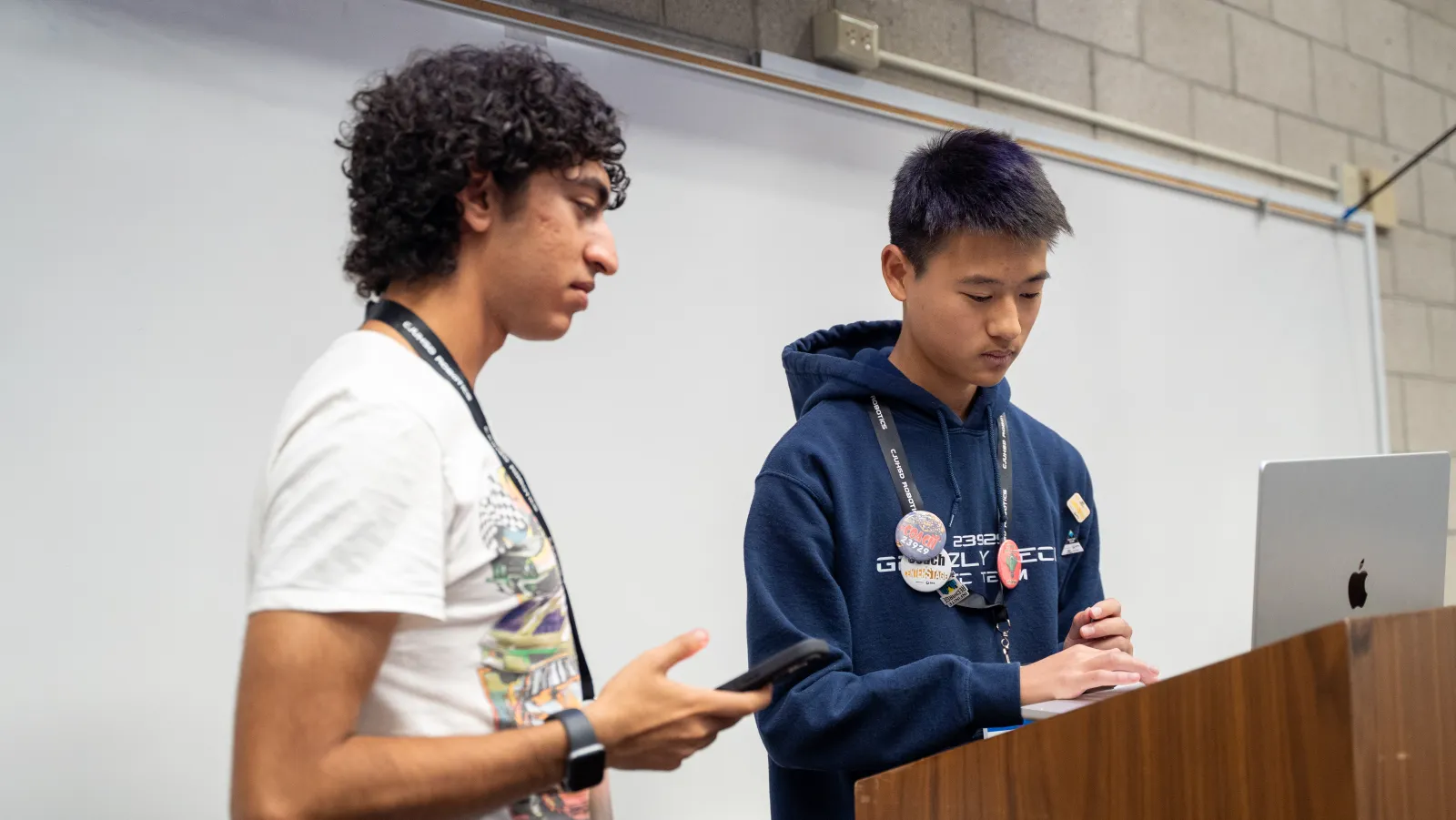
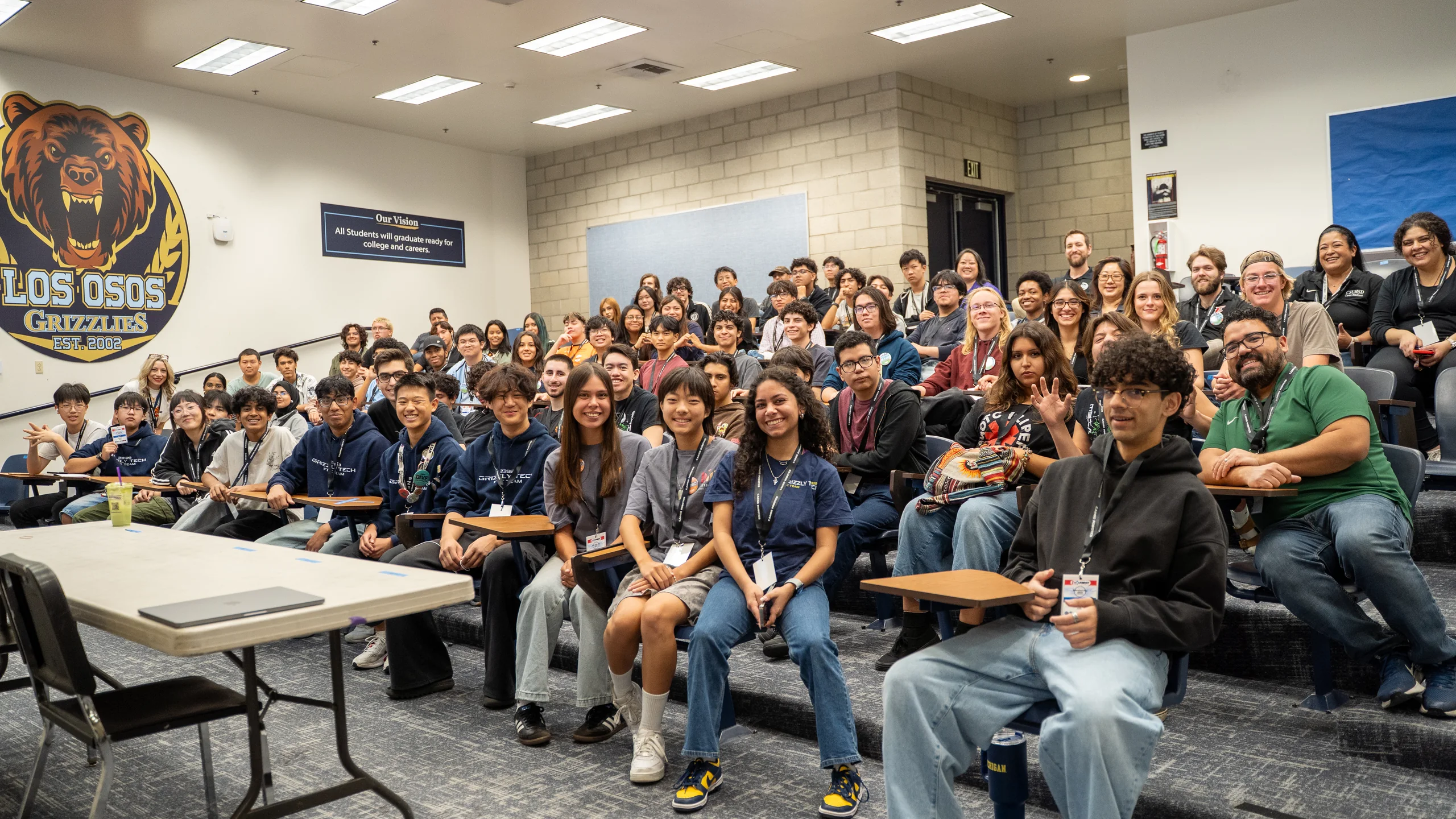
When we started, Grizzly Tech was the only active robotics team in the district. Since then, we've helped launch 9 FTC teams across 4 high schools. We share what we've learned about recruiting, running meetings, ordering parts, and getting a first robot on the field, so new teams don't have to start from zero the way we did.
Along the way, we've raised more than $20.5K for student robotics and reached more than 8,000 people in person at STEM fairs, school events, and community outreach. See the sponsors who made it possible on our Sponsors page.
Why it matters to us
Restarting robotics from nothing was hard. But the best part of bringing it back is that you don't have to be the only team for long. A student starting at any CJUHSD high school today has a real chance to design, build, and program a robot, and a clear path from there into engineering.
That's the legacy we want Grizzly Tech to leave: not just the robots we built, but the program that grew around them. We're proud to have been the team that brought robotics back, and we can't wait to see what the next generation of district teams builds.
Want to be part of it? Get in touch with the team or support the team.